
LA Park History Series: The Park that LA Built
Series written by Kate Martin Rowe
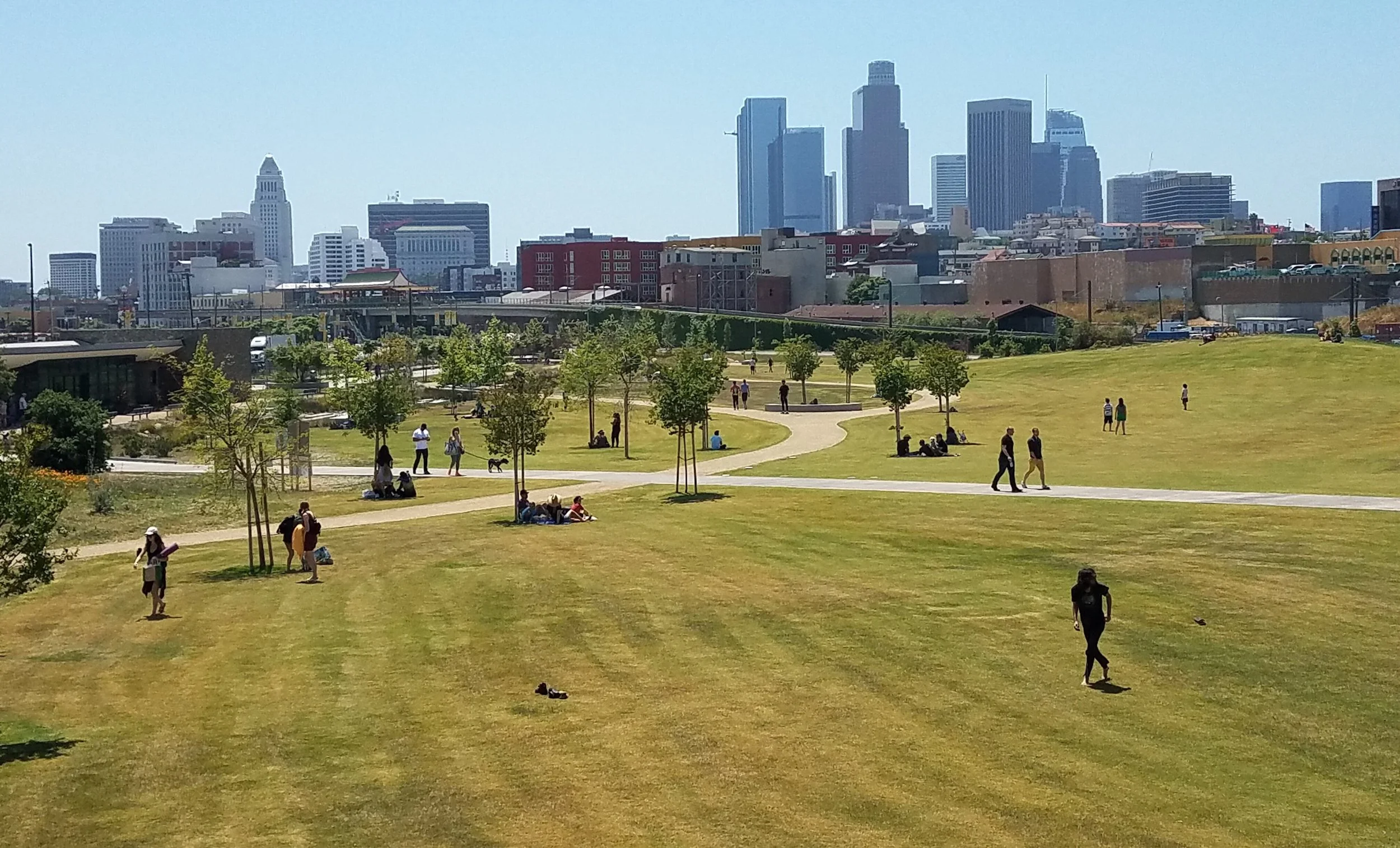
LA State Historic Park today. Photo courtesy of DTLAExplorer.com
Drive through any neighborhood in Los Angeles and you’ll likely pass a vacant lot with dandelions swaying and trash ringing its perimeter. You may wonder at the waste of space in a city lacking in parks. But common sense around land use to the casual observer is often weighed down by a history of politics and competing interests.
Luckily, that history also includes a long tradition of community activism and organizing — people voicing their anger and desires, rolling up their sleeves, and getting to work. The Los Angeles Historic State Park is an example of the tenacity and collective action required to build a major park.
The land that makes up the historic park did not always feature curated wetlands, open fields, and walking paths that it boasts today. Since the 18th century, the 32-acre parcel that straddles the L.A. River has ebbed and flowed through a series of development and displacement. Robert Garcia, the late environmental champion who founded The City Project, outlined over two centuries of this history:
The Tongva/Gabrieleno people originally established a village called Yaangna along the riverbanks.
Spaniards, Catholic missionaries, Black Americans, and other Indigenous peoples settled in the area through the 1800s.
Settlers grew corn and grapes in the region aptly dubbed “the Cornfields.”
In 1870, the Southern Pacific Railroad developed the area into a freight depot and switching yard that would last through the 1970s.
During the height of the Great Depression, Mexican American laborers were deported over concern over local jobs.
In the 1930s, Chinese residents in nearby Old Chinatown were kicked out to build Union Station;
Through the 1950s onwards, Black Angelenos were pushed out through redlining and housing covenants.
The trend of community displacement by commerce continued until the end of the 20th century, when community organizers halted a proposal by real estate developers at Majestic Realty.
In 1999, Majestic Realty sought to purchase the Chinatown rail yards from the Union Pacific Railroad. Its proposal — a corridor of warehouses that would ostensibly employ up to a thousand local, low-income residents — appealed to city and business interests.
But when the community members learned of the impending sale and that no community input had been solicited, they sprung into action. Carren Jao explains that 30 community organizations came together to form the Chinatown Yards Alliance and fight the re-industrialization of the land.
In 2000, the alliance pressured the federal government not to release funds to Majestic Realty until it performed an environmental review of the site. They filed a lawsuit charging that the city had violated the California Environmental Quality Act by neglecting to complete a full environmental review before approving the project. They also pursued a civil rights complaint saying that using federal funds from the Department of Housing and Urban Development (HUD) would mean repeating the same history of race-based displacement that had removed Chicanos from Chavez Ravine and the Chinese community from Old Chinatown.
These actions transpired in an election year, forcing the city’s mayoral candidates to take a stance. It worked.
In September 2000, HUD declared that it would not release funding to Majestic Realty without a full environmental review. Then, a few months later, not only did the developers settle with the alliance, but it also lobbied the California State Parks to purchase the property.
It took another 15 years for the park to get built. Various stakeholders in the community had to agree on the prospect of the land’s use. Some groups envisioned a new downtown campus for Los Angeles Unified. Some wanted a mix of local business and park space, while others, just open space.
Artist Lauren Bon galvanized the city’s attention by planting a cornfield there. She called the project “Not A Cornfield.” In a phenomenon that may seem like poetic justice, a geologist proclaimed corn a “miracle plant” for the land. The corn absorbed contaminants from the soil of what was considered a brown field at the time but didn’t transfer them to the ears of corn.
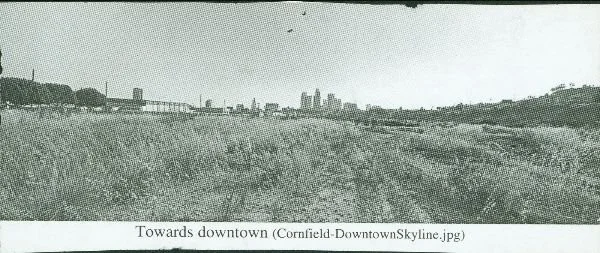
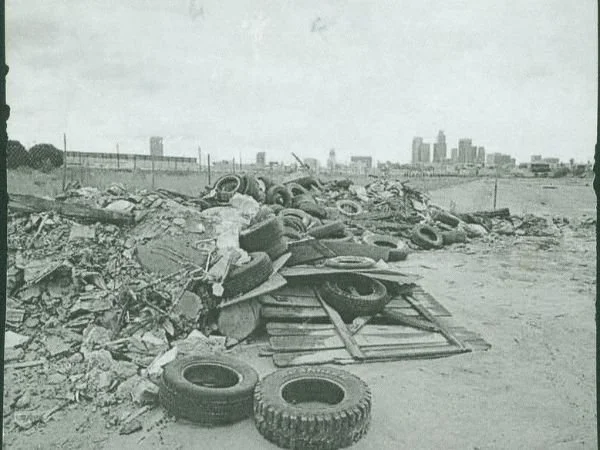
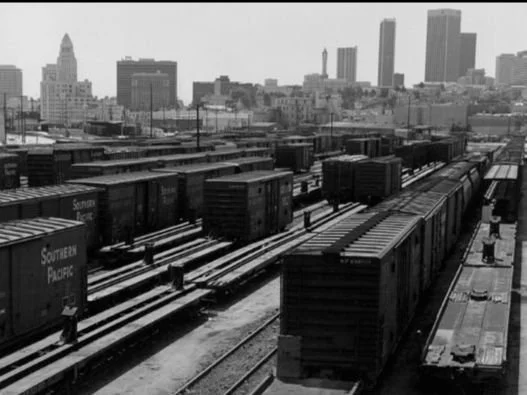
The Cornfields in the early 80s and the Southern Pacific Railroad freight depot and switching yard in 1978. Photos courtesy of the UCLA IMlab Media Archives and the LA State Historic Park.
Finally, in 2007, a plan was decided, and 10 years later, the park was built to its current state. The whole process took 20 years and had cost $32 million to purchase and $20 million to develop.
This is not unusual. The Taylor Yard property just down river, for example, also served as a railway depot for decades and was reclaimed for public use. Throughout the 1990s, community advocates fought for the restoration of the L.A. River as well as more schools, livable communities, and green space. It was not until 2007 and 2010 that the Rio de Los Angeles Park and the Sonia Sotomayor Learning Academies opened respectively on the former grounds of Taylor Yard.
Like with the enduring efforts communities have made with the L.A. Historic State Park and others, LANLT continues to work with the Del Amo Action Committee in a decades-long struggle to develop Wishing Tree Park on a historic superfund site.
Know that we will always advocate for the restoration of industrial lands and remain committed to environmental and racial justice and serving the communities of Los Angeles — no matter how long it takes.