
LA Park History Series: Do You Know the Story of Bruce's Beach?
Series written by Kate Martin Rowe
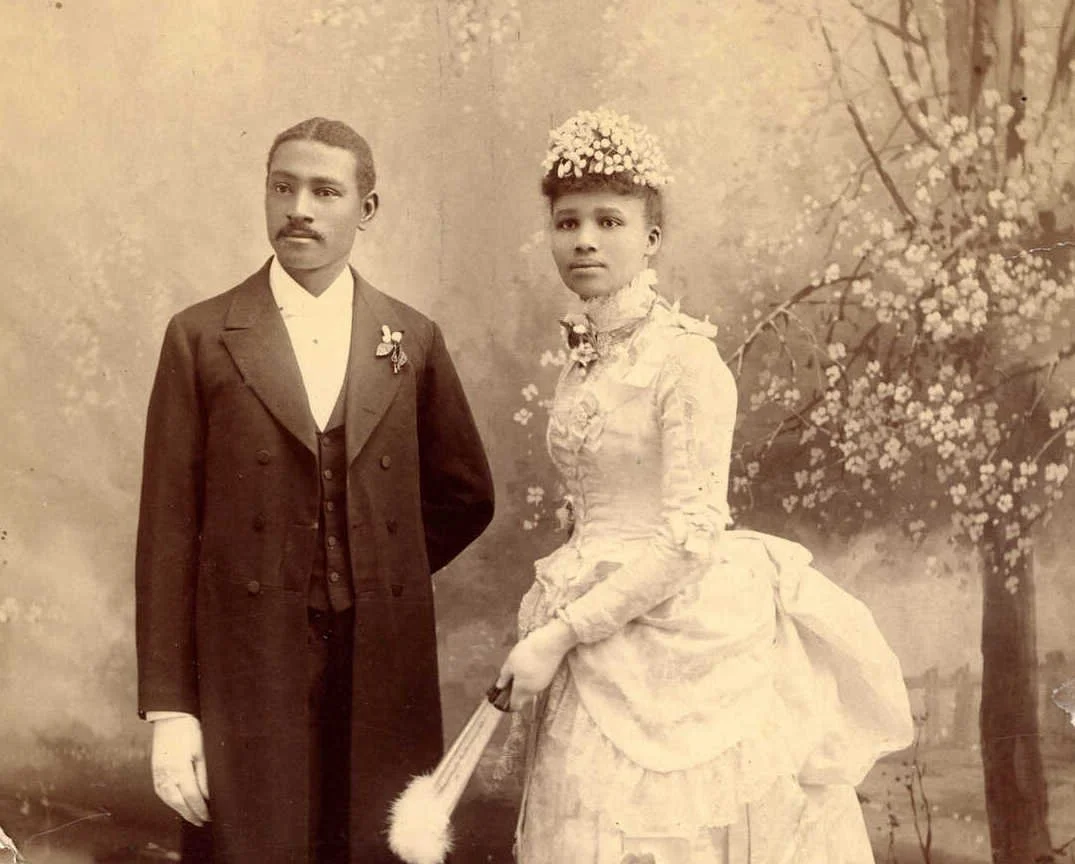
Wedding portrait of Charles Aaron and Willa A. Bruce.: California African American Museum
Do you know the story of Bruce’s Beach?
Around 1904, Willa and Charles Bruce moved from New Mexico to California for the same reasons so many Black Americans had fled the Jim Crow South during the Great Migration: the promise of better economic opportunities and the freedom to own land, among others. Instead, they were met with more broken promises.
According to a 2021 report commissioned by the City of Manhattan Beach, Willa Bruce purchased beachfront property there in 1912. The expansive surf and sand made for a spectacular seaside resort, and the Bruces had soon constructed a lodge, café and dance hall that became enormously popular with Black Angelenos. It became known as Bruce’s Beach.
Learn more about how racist policies and practices excluded Black beachgoers from Southern California beaches.
But the Bruces were undermined by Manhattan Beach’s white residents at every turn. They faced harassment from the local chapter of the KKK, their white neighbors, and city officials. In 1924, just 12 years after the Bruces opened their resort, Manhattan Beach passed Ordinance 282, which “initiated legal proceedings” to seize the Bruce’s land for a public park. Three years later, that’s exactly what the city did. Bruce’s lawyers filed for $120,000 in lost property and damages from the city but were paid just $14,500. And the park that Manhattan Beach officials claimed they needed? It didn’t get built until the 1950s.
That’s not the end of the story though. On September 30, 2021, Bruce's Beach was returned to the descendants of Willa and Charles Bruce thanks to the vision and advocacy of Los Angeles activist Kavon Ward. In an interview with The Nation, Ward said this is the first time that stolen land has been returned to the descendants of Black Americans. Her organization, Where is My Land, is helping more Black Americans reclaim their land, as well as educating the public about the history of Black land theft.
Land loss is a fundamental reason for the racial wealth gap in the U.S. Since 1910, Black families have been stripped of hundreds of billions of dollars because of lost land. Here, in Southern California, lost land is central to the story of Santa Monica’s Belmar Triangle and Inkwell Beach, as well as the Pacific Beach Club, which burned down the day before its grand opening.
Indigenous groups in Southern California are also raising awareness about land theft and advocating for reparations. The sovereign nation of Fernandeño Tataviam Band of Mission Indians has set up AcknowledgeRent to suggest reparations for stolen homelands in the form of rent payments to the land’s first peoples.
At the Los Angeles Neighborhood Land Trust, we attest that land access equals power, health, and resources. Further, we recognize the difficult historical truths behind many beloved public spaces in Los Angeles. We believe that Black Americans and Indigenous peoples deserve not just acknowledgement but restitution. To learn more about the history of land theft and restitution efforts in Los Angeles, see a list of additional resources below.